Saturday, August 12, 2017

العوّامية في الحرمان "النسبي"

2017-08-12 | هناء الخمري

لم تشهد المملكة العربية السعودية، الدولة الثيوقراطية في الخليج العربي، هبّة ثورية شاملة مدفوعةً بشعور "الحرمان المطلق"، على غرار ثورات الربيع العربي في العام 2011، باستثناء الحراك الشعبي والتظاهرات المتفرقة التي خرجت تهتف وتنادي بالإصلاحات، في عدد من مدن المنطقة الشرقية (منطقة القطيف وبلدة العوامية تحديداً)، حيث يتمركز المواطنون السعوديون من الأقلية الشيعية. وأضف إلى ذلك أصوات الإصلاحيين السعوديين (المعدودة)، والذين وجدوا في الربيع العربي فرصةً سانحةً لإعادة التذكير بدعوات الإصلاح السياسي والحقوقي، عبر كتابة العرائض والالتماسات إلى الملك، من دون أن يقضوا مضجع النظام السياسي، بممارسة حق التظاهر والاعتصامات السلمية المحظورة رسمياً. ويمكن ضم الحراك النسوي الاجتماعي، الذي يركز ومازال على حق قيادة المرأة السيارة وإسقاط ولاية الرجل عن المرأة، إلى هذا الاستثناء. لكن من المهم ملاحظة أن أنشطة النسويات في الداخل تختلف جوهرياً عن سابقيه، لأنهن يتخوفن من التصادم مع السلطة، في حال التشديد على أهمية إصلاح النظام السياسي – الأبوي، لضمان منح المرأة حقوقها الكاملة.
والسؤال هنا: ما الذي يدفع أقلية تمثل 10% من سكان المملكة إلى كسر قيد الخوف، والخروج للمطالبة بإصلاحات سياسية شاملة، وبالعدالة الاجتماعية، على الرغم من حملات القمع والتهميش والتشكيك الوطني، والاعتقالات التي مورست، ولا تزال، ضد هذه الأقلية منذ عقود؟ في محاولة لفهم الدافع الأساسي للأقليات والإثنيات للانتفاضة في وجه الظلم الواقع عليها، تطل نظرية "الحرمان النسبي" واحدةً من المحركات الأساسية لولادة الانتفاضات الاجتماعية؛ كحال أتباع المذهب الشيعي في المنطقة الشرقية. يولد الشعور "بالحرمان النسبي" إحساساً مريراً بالإحباط والقهر، لإدراك (الأقلية) الفجوة العميقة بين ما كانوا يتوقعون  
الحصول عليه (كحقوق سياسية، اجتماعية، اقتصادية، إلى جانب الممارسة الثقافية والدينية الحرة) وواقعهم، بالمقارنة مع غيرهم من "الأغلبية". يُوصف الحرمان بأنه "نسبي"، لأنه إدراكي ونسبي، بالمقارنة مع أقران هؤلاء المحرومين، أو مواطنيهم القادرين على الاستمتاع بالامتيازات والمنافع والحقوق الشاملة، في حين تحرم الأقلية منها، وبالتالي تعجز عن تحقيق طموحاتها وتطلعاتها. ويشيع هذا الإدراك غالباً شعوراً عميقاً بالقهر، والاستياء والإقصاء والإحساس بالنبذ السياسي والاجتماعي. لذا، فإن عدم تلبية الحاجات الأولية والمدنية لهذه الأقلية يحوّل الوضع إلى قنبلة موقوتة، قابلة للانفجار في أي لحظة. والأحداث الجارية في بلدة العوامية، حيث تشهد اضطراباتٍ واشتباكات بين عدد من سكانها (خصوصاً من فئة الشباب) والقوات الأمنية منذ شهر مايو/ أيار، مثالٌ واضح على حالة الحرمان التي تعاني منه الأقلية السعودية الشيعية في المنطقة الشرقية، حيث يوجد أكبر خزّان للنفط في العالم. لكن سكانها، في الطرف الشرقي، يشعرون بأنهم محرومون من الاستفادة التامة من ثرواتهم الطبيعية، في حين تنتفع النخب في مركز الدولة (منطقة نجد) بمخرجات البترول، وهذا يزيد من رقعة الحرمان التي تدفع بمزيد من المسيرات الاحتجاجية، في سبيل استعادة الحقوق والامتيازات المسلوبة.
لطالما ركّز النظام الريعي السعودي على إرواء عطش الحرمان المطلق، المرتبط بالفقر والحاجات الإنسانية الأساسية، كالغذاء وغيره، عبر الهبات والمعونات المالية الدورية. لكن يتوجب على السلطات استيعاب أن مطالب الأقليات خرجت منذ سنوات من دائرة "المطلق" إلى "النسبي"، وهذه هي القضية الأساسية التي لا بد أن تعالج.
ليست الاشتباكات في العوامية أخيراً الأولى من نوعها، فقد سبق وشهدت المنطقة الشرقية أشكالاً مختلفة من العنف، في وسط غياب "عقد اجتماعي"، ينظم علاقة المواطن بالدولة على أسس ديمقراطية، ناهيك عن غياب قنوات مدنية للتنفيس والاستجابة للمطالب التي ولّدتها حالة الحرمان النسبي، إلى جانب رفض الدولة الاعتراف بالظلم الواقع على الأقلية، وفشلها في إيجاد حلول حقيقية لمشكل التمييز الديني والمدني والاقتصادي.
تؤكد نظرية الحرمان التي تترعرع في أحضان السيكولوجية السياسية، وفي مدارس تحليل الصراعات، على أن العنف يولد كأحد أشكال التعبير عن اليأس، بسبب حالة الشعور بالقهر والعجز عن رفع الظلم، وهو الظلم الذي يتعاظم، عندما تميل الدولة السعودية إلى القمع، واستخدام الهراوات والأسلحة الثقيلة والمدرعات، تحت مظلة سياسة "الحزم"، هذه السياسة التي أشعلت فتيل الغضب والشعور بالاستبعاد الاجتماعي، بسبب تنفيذ قرارات إعدام ضد أفراد ومتظاهرين من الأقلية الشيعية في محاكماتٍ وُصفت بغير العادلة وغير الشفافة، إلى جانب القيام بحملات اعتقال واسعة، استهدفت ولاتزال تستهدف الشباب والقصّر، خصوصاً الذين شاركوا في مظاهرات شعبية مختلفة، تحتج على جملة من القضايا، منها الاعتقالات التعسفية، وإطلاق سراح سجناء الرأي "المنسيين". ويأتي كل هذا الاحتقان بعد سنوات من فشل الحكومة السعودية للاستجابة لاقتراحات الإصلاح السياسي الوطني، الشراكة الوطنية والتخلص من التمييز الطائفي، التي وقعت عليها نخبٌ من أعضاء الحركة الإصلاحية من الطائفة الشيعية. ما نشهده اليوم من دمار وعنف وقتل وتهجير في العوامية هو نتيجة احتقان تاريخي، ازدادت وتيرته بعد 2011، ما حرّض الأوضاع على الانفعالية العنيفة، وردود الفعل العفوية وغير المنظمة.
سيوسع استخدام قوات الأمن السعودية المفرط للقوة من الفجوة وحالة الشعور بالظلم، وسيحول المنطقة الشرقية إلى كتلةٍ من البركان، غير المستقر والقابل للفوران والانفجار بين الفينة  

والأخرى. لذلك، على السلطات السعودية تحكيم العقل والوطنية واستبدال سياسة "الحزم" غير البناءة بسياسات "إصلاح"، تعالج جذور الأزمة وحالة السخط ومسببات الحرمان الاجتماعي، لا عبر فرض سلطة النظام الريعي الأبوي، واستخدام قوة السلاح، لفرض قرارات أحادية، ولا عبر تجنيد الإعلام المحلي، بغرض انتزاع الأقلية من إنسانيتها، ومن شرعية مطالبها، وتصويرها بعبعاً "إرهابياً"، بل عبر الحوار البناء والحقيقي والتوافق السلمي السياسي والاجتماعي.
عوضاً عن تمويل مركز سعودي عالمي للحوار بين أتباع الأديان والثقافات في فيينا، يفضل أن تحول الحكومة السعودية الأنظار والموارد اللازمة إلى إنشاء مركز محلي للتسامح الوطني بين الطوائف والمذاهب في المملكة، يهدف إلى منع إثارة النعرات الطائفية، السرية منها وغير المعلنة، في المؤسسات التعليمية وفي الخطاب الديني، سد فجوة الحرمان عبر الاستجابة بطريقة مناسبة ومستدامة للمطالب السياسية والاجتماعية والاقتصادية، الحفاظ على اللحمة الوطنية، وإنهاء النزاع الداخلي، واستنكار لغة التأجيج الطائفي من الإعلام المحلي والأغلبية السنية، والتوقف عن التشكيك في وطنية الأقليات، والبدء بإجراءات لبناء الثقة. وأخيراً، لا بد من استبدال سياسات الوعود الفارغة والتسويف التي عزّزت حالة الشعور بالحرمان، بسياساتٍ ملموسةٍ تهدف إلى تحقيق العدالة والمساواة، وإلغاء كل أشكال التمييز ضد الطوائف المختلفة.

Sunday, August 6, 2017

Saudi Arabia's Art of Perpetuating Corruption


If you have had stolen a public money in Saudi Arabia and you finally came to regret the act. You only have to pay back the money and you are immune from prosecution.
The Saudi Social Development Bank designated a bank account called ( a disclaimer before God or ابراء الذمة ) since 2006, for the purpose to clear the guilty conscience of kleptocrats before death. Burglars are welcomed to repay - anonymously,- the stolen sum into the so called "disclaim" bank account and no legal penalties will be involved. Moreover, it does not matter if you will pay the whole, or part or if you have already made profits/interest of the stolen money.
The bank account has received more than 300m Saudi Riyal (SAR), that is around $ 79,970,360.


Here is a report I wrote about the bank account in the Saud press

Det är viktigt att skilja mellan krav på ökad frihet för kvinnor och krav demokratiska fri- och rättigheter i Saudiarabien


Nyligen kommenterade jag i Studio Ett Sveriges Radio de påstådda förändringna i det könsegeragatde Saudiarabien.
Ni hittar mina svar nedan också.

:::::::::::::::::::::::::::::
Videon på den saudiska kvinnan iklädd kort kjol väckte starka reaktioner på sociala '
medier när den dök upp under förra veckan.
Kvinnan greps först och släpptes sen av saudisk polis - och det är inte första gången kvinnors kläder leder till rättsprocess.
Saudiarabien är det mest könssegregerade landet i världen. Men enligt flera analytiker, blåser förändringens vindar och det är mycket som rör sig under ytan.
VÄLKOMMEN HANA AL KHAMRI, journalist och Mellanösternanalytiker.
- Du har vuxit upp i Saudiarabien och har även arbetat som journalist där. Saudiarabien är känt för sina hårda lagar och stränga klädkoder. Är du förvånad att filmklippet på kvinnan i kort kjol ledde till att hon greps?

Nej! Det är inte första gången som en kvinna i Saudiarabien arresteras för att hon bryter mot sociala regler. Och det råder ingen tvekan om att saudiska kvinnor som väljer att utmana lagar och normer som reglerar kvinnors roll i samhället ofta råkar illa ut.

- Det blev ju ingen påföljd i just det här fallet - vad kan man dra för slutsats av det?

Jag håller inte med om att det blev ingen någon påföljd. Det är viktigt att skilja mellan krav på ökad frihet för kvinnor och krav demokratiska fri- och rättigheter i landet.
Den som vågar utmana kungahusets makt och legitimitet genom att kräva konstitutionella förändringar straffas hårdare eftersom de utgör ett större hot mot regimen. Den kände juristen och demokratikämpen Walid Abulkheir som tilldelades Palmepriset dömdes exempelvis till 15 års fängelse. Kvinnor som bryter mot sociala normer straffas ofta på andra sätt, med korta fängelsestraff, smutskastningskampanjer eller genom att hindra dem från att arbeta och studera för att på så sätt förstöra deras framtid. Det är sannolikt vad som kommer att hända med Kholoud, kvinnan som hade på sig kort kjol.

- Sociala medier har visat sig vara ett viktigt verktyg i många diktaturer och fick en stor roll både innan och under den så kallade arabiska våren. VILKEN roll spelar de i Saudiarabien? Både frihet och fara?

Sociala medier spelar stor roll i Saudiarabien som saknar ett aktivt civilsamhälle. 70 procent av befolkningen är under 35 år och många är aktiva i sociala medier. De sociala medierna har blivit en plattform där medborgarna kan uttrycka sina åsikter och där aktivister kan mötas. Men den saudiska staten kontrollerar vad som sägs och skrivs och det finns flera exempel på aktivister som råkat illa ut för att ha fört fram krav på politiska förändringar i sociala medier.
** Saudiarabien är ett land där censuren är närmast total och varje bok som säljs måste godkännas av kulturministeriet, precis som i George Orwells kända roman 1984. Alla chefredaktörer på landets tidningar måste godkännas av myndigheterna så självklart kontrollerar regimen också mycket noga vad som sker på internet.

Saturday, August 5, 2017

Women Journalists in Saudi Arabia still Inside the Closet


"One day, about ten years ago, I was informed of my promotion to vice editor-in-chief. After receiving the compliments of the colleagues, the news suddenly took another turn. My nomination was frozen, or to use a better term, it evaporated due to the threats of resignation of the male officials at the newspaper if I was to take this position." 

This is the story of Saudi journalist Amjad Mahmoud Rida, as she only recently told it to the London-based al-Hayat newspaper. Her story is typical of the working conditions of female journalists in a country where even the women's magazines are run by men.

Rida was one of the first female journalists to enter the Saudi media world after her university studies in Cairo, and the first woman ever to be appointed vice editor-in-chief of a Saudi newspaper. She was also the only Gulf Muslim woman to cover the Russian war in Afghanistan.

But Rida has since left the media world and is now concentrating on research, in addition to having published two books, entitled "Saudi Women in the Media" and "Women Cultural Forum in Jeddah."

For the women who are currently active in the Saudi media, Rida's story is a familiar one.

Sabria Jawhar was until recently the editor-in-chief of the daily Saudi Gazette. She is a fluent English speaker, and she wears a veil that only reveals her eyes. We met Jawhar in her old office where she used to work before she resigned her post to travel and to finish her studies.

Jawhar related a recent incident. "I was on my way to attend a press conference by the Saudi Foreign when a guard refused to let me in because I’m a woman. So I said that I wasn’t a woman but a journalist coming to officially represent the newspaper. But he insisted and kept repeating, 'We don’t allow women in.'"

In the end, Jawhar was forced to contact the manager of the conference who ordered the guard to let her in. The minister then allowed her to ask the first and the last question of the press conference, a unheard of privilege.

So is the position of women in the Saudi media improving? There are a couple of facts that point in that direction.

Last year, for the first time in Saudi history, female students were allowed to take courses in media and international relations studies at Um al-Qora public university.

At the same time, female journalists are still compelled to write under a pseudonym, or to use only their first name and the name of their father rather than the tribal family name, in order to avoid harassment from people who still consider it a great shame for a woman's name to appear in print.

It is only one of the many absurdities that female journalists in Saudi Arabia face.

Most female journalists have no diploma in journalism because none of the universities for women had a media studies program, as this was considered an inappropriate field for women. Instead, they took unrelated majors and relied on practice to learn the job.

Working female journalists are not allowed to drive a car, even of their job requires them to do a lot of field work.

Women are absent from the editorial room because they are confined to rooms that are off-limits to men.

Women initially entered the field of journalism to fill the gap caused by the male journalists’ inability to cover women’s activities and issues.

But the female editors worked hard to get out of "the closet" of the women's pages, gradually moving towards writing for all the newspaper sections, from local news to the business pages, politics and culture.

Other obstacles included female journalists being denied the opportunity to take part in training programs, not to mention their low salaries in comparison with male colleagues doing the same work.

Last year saw the birth of a new controversy after a group of female journalists were forbidden from attending a conference restricted to men.

This is not uncommon because conference organizers always have to provide a seperate room for female journalists, and when one is not available, they simply don't invite the women.

Journalist Loubna al-Tahlawi addressed some of these issues during a workshop last week, entitled "The role of female journalists in supporting charity work."

Al-Tahlawi talked about the challenges female journalists face and reminded the audience of Article 10 of the Media Policy Act in the Saudi Kingdom, which states that "women are considered the sisters of men. [Working in the] media means that they are realizing the special gift of intelligence that God gave women."

But much of Saudi society has yet to catch up with Article 10.

Take the example of Wafaa Baker Junis. Her intervention during the second Forum for Female Saudi Journalists, which was organized early last year in the Saudi capital under the patronage of her Royal Highness Princess Adela bint Abdullah Bin Abdul Aziz Saud, led to her dismissal from the radio station where she worked.

Junis had harshly criticized how her rights and those of her female colleagues were being trampled on, mentioning that she hadn’t received her salary for four months and that she still hadn't been hired as a full-time employee despite the fact that she had been working for seventeen consecutive years for the same employer.

She also gave the example of a female colleague who was humiliated by a male colleague, and who turned to the media to transmit her complaint to the officials after the radio station management had ignored her.

Radio host Fatima al-Anzi was also suspended from work for the same reasons.

The official response to Wafaa Yunis and Fatima al-Anzi's transgression was quick: an official letter from the Minister was sent to their employers asking them to immediately stop all cooperation with the two employees because of what was described as harsh criticism of officials in the Ministry without any prior agreement. The reason given was that work problems should not be discussed publicly.

At the Forum, a group of recommendations were stated to improve the situation of female journalists:

- specifying the career ladder for female journalists;
- removing obstacles facing female journalists in training sessions;
- improving female journalists and raising them to higher levels in all sections;
- issuing a law to protect female journalists and their rights;
- opening a Press and Media section at King Saud University;
- improving the women’s image in the media;
- instituting a female official position at the Ministry of Information to deal with female journalist issues.

Hopefully, the next generation of graduates from the Press and Media School will see some of these recommendations implemented, so they can look forward to a brighter future. 


This article was first published @ menassat in 2008
 

Wednesday, July 19, 2017

Al Jazeera: A Voice for the Voiceless?

I grew up in Jeddah, on Saudi Arabia’s Red Sea coast, watching Al Jazeera alongside my family, neighbours and millions of people across the Middle East and North Africa. The local media in Saudi Arabia was and still is state-controlled, and local news offered only mind-numbingly dull views. We sought refuge in Al Jazeera, where ‘the opinion and the other opinion’ – the broadcaster’s motto – could be heard. At the beginning of the 2000s, Al Jazeera’s most popular programme, The Other Direction, hosted a Saudi dissident who had blasted the king of Saudi Arabia, Abdullah bin Abdulaziz Al Saud, live on television. This episode in particular caused great controversy; people would glance left and right and drop their voices to a whisper before discussing what they had seen on Al Jazeera.

Its critical voice has often not been welcome, and the station has had plenty of trouble right from the start.We in the Arab world are accustomed to state-controlled news, and most local media are mere propaganda machines serving the state’s interest. History has shown this: in 1967 during the Arab-Israeli war, the anchor of the popular Sawt al-Arab (Voice of the Arabs) radio programme based in Cairo declared falsely that the Arab armies had crushed the Israeli army and reached Tel Aviv; it was only through foreign media that people learnt that the Arab armies had in fact been utterly defeated and local media were lying. In 1990, residents of Saudi Arabia did not know about the Iraqi invasion of Kuwait for three days, as the royal family ordered local media outlets not to inform the public of the onset of the Gulf War. Arabs’ trust in local media has been shattered ever since.

Al Jazeera was a platform that revolutionised Arab journalism and broke its mould, with programmes that dared to air the voices of dissent and allowed criticism of monarchies and dictators on live television, something once unthinkable in the Arab world. As a young journalist in Saudi Arabia, I worked as a correspondent for a youth website in Doha sponsored by Al Jazeera. On this website I had a platform to publish articles censored by local Saudi newspaper Al-Madina, addressing the human rights situation, the arrest of reformists and the condition of womens’ rights in the Saudi Kingdom. In one case, after the arrest of blogger Fouad al-Farhan in late 2007, I interviewed his wife about the circumstances of his detention. The editor of my local newspaper refused to report on the case, but Al Jazeera Talk published my article.

Of course, the broadcaster's clear biases have always been evident. While Al Jazeera would happily cover a crackdown on human rights in a neighbour state, its gaze seemed less likely to linger on the situation in its home of Qatar. Since its first broadcast in 1996, the pan-Arab television station has styled itself as the pulpit for those with no pulpit. But as Qatar pro-democracy activist Ali Khalifa Al Kuwari wrote in his book The People Want Reform… in Qatar, Too (published in 2012), this pulpit does not extend to the people of Qatar themselves, who can only express discontent with the country’s ruling monarchy in private.

Media as Soft Power


Al Jazeera was founded in 1996 by then Emir of Qatar Hamad al-Thani. The ruler of the tiny peninsula with a native population of well under half a million was concerned for his nation’s future. How could this tiny yet wealthy state survive an anarchic world? Would it be swallowed by giant neighbouring countries, as Kuwait almost was in 1990? Moreover, Saudi hegemony and its promises to protect the security of its neighbouring Gulf states under the umbrella of the Gulf Cooperation Council (GCC) were found wanting when it failed to protect Kuwait from Iraqi aggression. This, among other reasons, led Qatar’s rulers to search for alternatives to guarantee its security and dismantle its dependence on Saudi Arabia, crafting a unique foreign policy to protect its interests and its fragile national security. The regime became close to friends but even closer to enemies. Qatar established relations from Washington to Tehran, the Muslim Brotherhood to Israel, hosted international events, played the role of peacemaker in a febrile region, and constructed Al Jazeera as one of its soft power arms. Oil and gas revenues have facilitated the cost of its foreign policy.
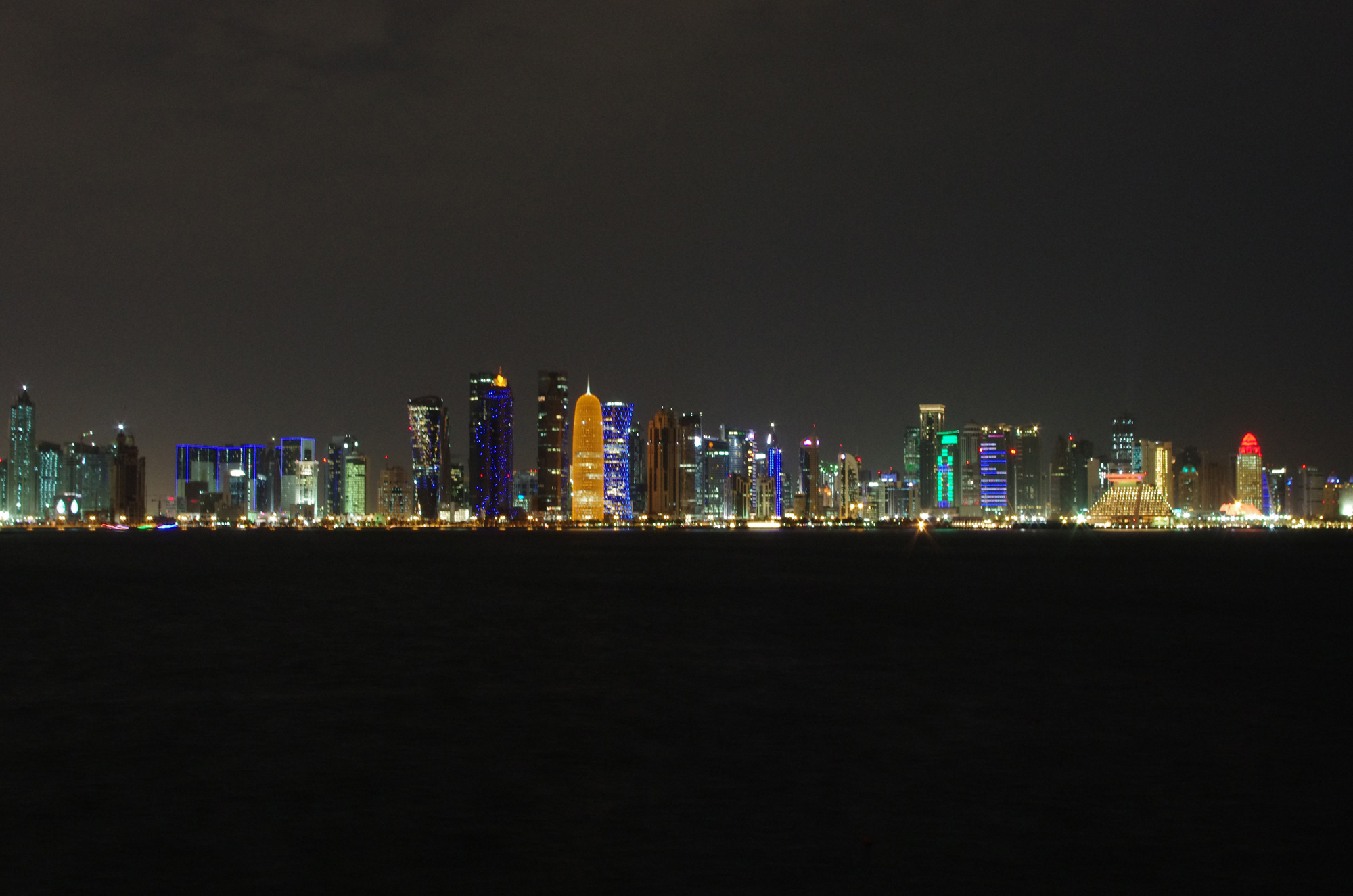
The Doha skyline at night.
The role of Al Jazeera in the Arab world was thrust into the spotlight by the Qatar diplomatic crisis. The UAE and Saudi Arabia demanded that the station be shut down, though they later backed away from the demand after a global outcry.Photograph: zenith 
The channel was built on the ruins of BBC Arabic, which was disbanded in the mid-1990s due to disagreement between the network and its Saudi Arabian partners, after the Saudis attempted to censor the broadcast when it discussed Saudi ruling family affairs. The sudden closure left many media professionals unemployed; they were promptly recruited by Al Jazeera. Editors, reporters and producers were highly skilled and highly trained, and there was pride inside the channel – at least prior to the Arab Spring – where people compared its journalistic style to the BBC. Its critical voice has often not been welcome, and the station has had plenty of trouble right from the start. Its offices were bombarded by the American air force in Iraq and Afghanistan; its journalists have spent time in prison for doing their job; and it is often criticised by governments across the Middle East, in public and – more stridently – in private.

Saudi Arabia, the big brother of the Gulf, views Qatar as a troubling actor and has sought to defuse its influence in the region. Al Jazeera has been at the heart of this dispute since the early 2000s, after allowing Saudi opposition figures to speak on Al Jazeera Arabic. The Saudi government withdrew its diplomatic mission from Doha and ordered the Qatari mission to leave Saudi territory, and the station was not allowed to have an office in the Kingdom. Tensions between Saudi Arabia and Qatar were reduced when the current emir, Tamim Al-Thani, came to power in 2013; Al Jazeera was allowed to cover the pilgrimage season in the two holy cities and eventually the channel was permitted to open an office in Riyadh.

Then Came the Arab Spring


But things changed for Al Jazeera in 2011 as the Arab Spring shook the region. While Al Jazeera English, launched in 2007, continued to uphold a level of professional objectivity (except with respect to criticism of the Qatari regime), its Arabic programming completely lost its compass, and it is undeniable that Al Jazeera Arabic became a vehicle for promoting Qatar’s agenda. For instance, the network boosted Qatari-backed rebel fighters in Libya and Syria and the Muslim Brotherhood across the region, in an attempt to empower a new political ideology to balance Saudi hegemony. Al Jazeera’s support for the Muslim Brotherhood and its criticisms of Arab governments have brought it into the current Gulf diplomatic crisis.

We should support the rights of Al Jazeera – both its Arabic and English channels – to information and freedom of expression.And while Al Jazeera Arabic was vocal in reporting on the dramatic political changes that swept across Tunisia, Egypt and Libya, this enthusiasm was restricted to certain countries; the channel did not cover the Shia minority’s demands for equal citizenship and democracy in Bahrain and Saudi Arabia, nor did Syria receive adequate coverage at the beginning of the uprising. I was one of the young Arabs who signed a petition to the network demanding that it follow the same editorial policy in covering revolutions across the region.

I was also shocked by the reshuffle of the channel’s leadership, which culminated in the resignation of veteran journalist Wadah Khanfar as director general in September 2011, and his replacement by a member of the Qatari royal family, Ahmed bin Jassim Al Thani, who served until 2013. The change suggested to me that the station was moving further away from its principles of impartiality and objectivity. These dramatic shifts in the channel’s leadership and policies led to a decline in its popularity, compounded by the fact that local media outlets in the region had multiplied rapidly thanks to the freedom granted by the revolutions, allowing diverse views.

But the impact of Al Jazeera on the people of the Middle East – who are thirsty for free media – has been greater than perhaps even its founder anticipated. For more than 20 years, Al Jazeera has weathered countless political storms in the region. I admit that I no longer romanticise Al Jazeera Arabic as I did when I was a young journalist glued to its coverage from the other side of the peninsula. Since 2011, I have often questioned the veracity of the channel’s coverage. I will remain critical until the channel relinquishes its role as a mouthpiece for the Qatari government, and until Ali Khalifa Al Kuwari and his fellow reformist citizens in Qatar are given a platform to challenge the undemocratic state of Qatar.

But whether Al Jazeera’s journalism is objective or not, and whether it is propagating Qatar’s foreign policy views or not, we should still stand wholeheartedly for the principle of free speech and deny the infuriating call by Saudi Arabia and the UAE to close the channel. It is absurd that a country like Saudi Arabia – with a horrifying human rights record and its own connections to terrorism – should accuse Al Jazeera and Qatar of backing terrorist organisations. We should support the rights of Al Jazeera – both its Arabic and English channels – to information and freedom of expression. At the same time we should continue to scrutinise, and if necessary criticise, the content of the channel and in some cases the partial stance of its reporting. Al Jazeera was the first attempt to plant the seeds of freedom of expression in the Arabian Desert. This should not be forgotten.


* This essay was first published at Zenith Magazine 

Hana Al-Khamri formerly worked as a journalist in Saudi Arabia. Currently based in Sweden, she works as a consultant for NGOs and as an analyst and commentator on Yemen and Saudi Arabia.

في المملكة العربية السعودية: حيازة الكلمات الحرة كحيازة المخدرات


أتذكر الإتصال بالمحامي والحقوقي السعودي وليد أبو الخير من عاصمة أوربية ، لاسئله إذا كان يرى خطورة على حياتي في عودتي للمملكة العربية السعودية بعد نشري مقالات تنتقد الوضع الحقوقي والسياسي في البلاد.

 " هم يستطيعون تكبيل شعبهم، لكنهم لا يجرؤن على فعل أي شيء ضد رجل غربي." هذه ما قاله أبو الخير في حديث هاتفي بيننا ملمحاً بأن حملي لجنسية أوربية قد تحميني من تحرشات السلطات السعودية  . وتابع قائلاً: " الكثير من كتاب الرأي الغربيون كتبوا وانتقدوا المملكة لكنهم لم يعاقبوا، هذا النظام بس يقدر علينا" وقع كلماته مازالت تتردد صداها في رأسي.

اليوم ذات المحامي الذي نصحني بعدم العودة، يقبع في سجون بعد أن وجهت له مجموعة من التهم، منها تشويه سمعة المملكة. 

 وليد رفض فرص الخروج من البلاد بالرغم من كم التحرشات التي تعرض لها من قبل البوليس والأمن السياسي. وليد كان يرفض الهروب للخارج، حتى لا يتهم بأنه مُستغرب وأن أفكاره ووعيه السياسي والحقوقي تأتي من الغرب أو من الخارج الذي لا يشبه الثقافة المحلية كما يروج لها النظام وأتباعه. 
وليد، كان يحاول أن يتحمل كل شيء في سبيل أن يؤكد أن مساعيه من أجل وطن أفضل للجميع هو نابع من داخله كمواطن. على الرغم من أن النظام الديكتاتوري، لا يقوى الإ بتكميم الأفواه وجز رؤوس المختلفون معه في حال تهدد عرشه.

بعد ثورات الربيع العربي لا شيء يخيف النظام السعودي بقدر ١٤٠ حرف قد ينشرها إصلاحيين سياسيين أو حتى حالمين لمستقبل أفضل في شبكة التوتير. هذه التغريدات كانت كافيه للنظام لتبرير إصدار قانون جديد ضد الإرهاب لتستخدمه السلطات لاحقا ضد كل من يطالب بنظام ملكي دستوري   أو أي نوع من الإصلاح. هذا القانون هو ذاته الذي استخدمته المحكمة الأمنية في الرياض لإصدار حكم خمسة عشر عاماً من السجن ضد المحامي وليد .

خلال الغزو العراقي على الكويت 1990، سكان المملكة لم يعرفوا شيء عن الغزو العراقي للكويت لمدة ثلاثة أيام. العائلة المالكة ووزارة الإعلام منعت كل وسائل الإعلام المحلية من البت بكلمة حول حرب الخليج. حرب في الجوار ولا أحد يعرف بذلك، وهذا إن دل على شيء فيدل على قدرة السلطات على التحكم بإنتشار المعلومة. 

 تحدثت إلى الصحفييون القدامى، الذين شهدوا تلك الأيام. تحدثُ عن أن الخوف الذي ملئ الأجواء وسط الإعلاميين العامليين في التلفاز الحكومي والصحف المحلية، لدرجة أن مذيع النشرة الجوية كان صوته يرتجف خوفاً كلما تحدث عن مناخ الكويت والعراق!

الدولة الريعية السعودية، سعت ولسنوات من بعد تأسيسها في بدايات القرن الماضي. أن تخلق رعيه  بدلا من مواطنين. لذلك خلقت نظام رفاه مجاني بدون مطالبة الشعب بدفع الضرائب وعوضا عن الإعتماد الضريبي، سعت لتغطية كل التكاليف من قبل الدخل العائد من النفط. عبر هذا النظام تستطيع ضمان رعيه دائماً ما تكون في حالة شكر وامتنان للعائلة المالكة عوضا عن مواطن يعتمد على حق الضرائب والتصويت للمطالبة بالحقوق..

 نسيت العائلة المالكة أن الألفية الجديدة ستوفر لشعبها وسائل جديدة لا يستطيعون منعها، وسائل يستطيع كل من يعيش في أرض المملكة أن يستخدمها للتعبير عن ذواتهم، مخاوفهم، مطالبهم وأحلامهم، وسائل مفتوحة لا يحتاج فيها المرء المرور بحراس بوابة، يتم تعينهم وخلعهم من قبل وزارة الإعلام السعودي وبالتالي يفروضون هم بدورهم رقابة على رأس كل كلمة.... نسيت العائلة المالكة أن الوعي العالمي،- بالرغم من رقابة المملكة المستبدة -تستطيع أن تخلق مواطنون واعيون كأمثال وليد أبو الخير، حيث لا يترددون بالمطالبة  بحقوق متساوية ، ممارسة حق التعبير والحفاظ على القيم العالمية لحقوق الإنسان.

النظام يعيش حالياً حالة ارتباك تاريخي، ولا يعرف كيف يتحكم بتوسع شبكات الإعلام الجديد، وإنتشار شعبيتها وسط فئة الشباب. النظام فقد السيطرة على هذه الوسائل وكل القصص التي تحملها معها، عابرة كل الحدود والقارات لِتُلهم من هم في الداخل السعودي. التفاعل من خلال الإعلام الجديد يلهم الشعب للسعي من أجل التغيير والسعي في سبيل عقد اجتماعي جديد بين الحاكم والمحكوم. 

النظام مازال يرى حيازة الكلمات الحرة كحيازة المخدرات وكحيازة فكر إرهابي. لذلك مازالوا يأ مرون بحجب المواقع واستصدار قوانين لتقيد الإنترنت وسجن الناشطون الحقوقيون، بدعوى حماية الأمن الفكري والثقافي للمواطن. وهم في الواقع يعنون حماية كراسي السلطة. 

هذه المقالة نشرت في موقع 
The Dissident Blog #14 for Swedish PEN in 2014


Sunday, July 9, 2017

140 tecken gör dig till terrorist


Saudiarabien är fortfarande ett av de länder dit den demokratirörelse som svept genom flera arabisktalande länder aldrig nått. Skälet är den styrande kungafamiljens monopol över alla medier – ett monopol som nu tycks vara på väg att få sprickor även inom landet. Rapporten nedan har skrivit av journalisten Hana Al-Khamri som vuxit upp i Saudiarabien

Jag minns när jag ringde till den saudiske advokaten och människorättsaktivisten Waleed Abu al-Khair för att fråga honom om han trodde att jag löpte någon fara för mitt liv om jag åkte tillbaka till Saudiarabien – detta efter att ha publicerat kritiska artiklar om bristen på mänskliga och politiska rättigheter i landet. ”De kan slå sina egna söner i järn, men vågar inte göra ett dyft mot västerlänningar”, det var vad Waleed sade i telefon till mig år 2010.

Samma advokat som den gången avrådde mig från att återvända sitter i dag själv inlåst i ett av den saudiska regimens mörka fängelser. En lång rad anklagelser riktas mot honom, bland annat för att ha ”smutskastat kungariket”. Nyheten att Waleed dömts till femton års fängelse fick mig att börja gråta, och i dag påminner jag mig vad han sade: ”Många debattörer och författare från Väst har skrivit och kritiserat Saudiarabien utan att råka illa ut för det; den här regimen har bara makt att klämma åt oss.” Hans enkla ord ekar fortfarande i mitt huvud.

Waleed vägrade att lämna landet när chansen gavs, trots alla de trakasserier som han utsattes för av polis och säkerhetstjänst under sin juridiska kamp för reformer – det under en diktaturregim som sätter munkavle på eller halshugger dem som tycker annorlunda. Waleed vägrade fly utomlands för att slippa anklagas för ”västernisering”. Han försökte stå ut med allt för att bevisa att hans strävan efter ett bättre land för alla utgick från honom själv som medborgare.

Efter den arabiska vårens omvälvningar finns det ingenting som skrämmer den saudiska regimen så mycket som 140 tecken på Twitter, som snabbt kan spridas av politiska reformister eller av dem som bara drömmer om en bättre framtid. Twittrandet var i regimens ögon motiv nog för att införa en lag mot terrorism. Det var just denna lag som säkerhetsdomstolen i Riyad använde sig av för att döma Waleed till fängelse.

Under den irakiska invasionen av Kuwait 1990 visste invånarna i Saudiarabien under tre dagars tid ingenting om vad som pågick. Kungafamiljen och Informationsdepartementet förbjöd all rapportering om Gulfkriget i inhemska medier. Att det pågick ett krig i närområdet som ingen kände till visar på den extrema graden av myndigheternas förmåga att kontrollera informationsspridningen 

Jag kommer ihåg vad de som var med på den tiden har berättat, särskilt då gamla journalister. Hur rädslan fyllde atmosfären på den statliga teven och på inhemska tidningar. Det gick så långt att presentatören av väderleksrapporten darrade på rösten av rädsla varje gång han nämnde väderutsikterna för Kuwait och i Irak.

Den saudiska rentierstaten strävade, efter sin tillkomst i början av förra seklet, efter att skapa ”undersåtar” i stället för ”medborgare”. Därför etablerade den ett gratis välfärdssystem utan att begära att folk skulle betala skatt – ett system helt oberoende av skatteintäkter. Alla kostnader skulle täckas av inkomster från oljan. Genom detta system har man säkerställt att undersåten alltid står i tacksamhetsskuld till kungafamiljen i stället för att vara en medborgare som med stöd i beskattningen och med hjälp av rösträtten kan ställa krav på rättigheter.

Men kungafamiljen tycks ha glömt att det nya milleniet förser folket med nya medier som den inte kan förbjuda, medier som var och en inom rikets gränser kan använda för att uttrycka sina tankar och farhågor, krav och drömmar – öppna medier man inte behöver passera någon av Informationsministeriets grindvakter för att använda, grindvakter som bara får behålla sitt jobb så länge de upprätthåller en strikt censur. Kungafamiljen har glömt bort att insikten om världen utanför, trots den auktoritära censurens grepp förmår skapa medvetna medborgare som Waleed, vilka inte tvekar att upprepa sina krav på jämlikhet inför lagen, maktväxling, yttrandefrihet och skydd för de medborgerliga rättigheterna.

Regimen upplever just nu en historisk vilsenhet. Den vet inte hur den ska handskas med de nya sociala mediernas utbredning och ökande popularitet bland ungdomen. Regimen har förlorat kontrollen över dessa medier. Och därmed över alla de berättelser som korsar gränser och kontinenter för att inspirera dem som befinner sig inne i Saudiarabien att tro på förändring och verka för ett nytt socialt kontrakt mellan styrande och styrda.

Regimen betraktar fortfarande innehav av fria ord som likvärdigt med narkotikainnehav eller med terrorverksamhet. Därför beordrar man fortfarande blockering av sajter och utfärdar lagar mot internet. Det påstådda syftet är att skydda medborgarnas intellektuella och kulturella trygghet – i själva verket är syftet att skydda dem som sitter vid makten.


...............................

This text was first published at The Dissident Blog #14 for Swedish PEN in 2014
Översättning från arabiska: Tetz Rooke